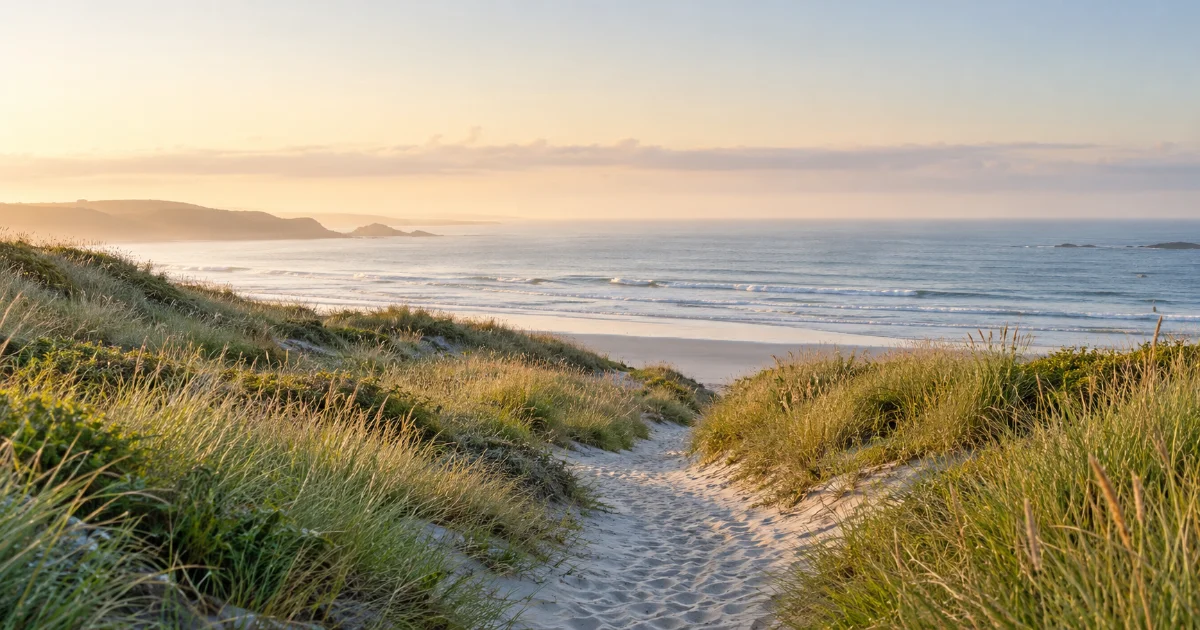
An Online Memorial When There Is No Grave
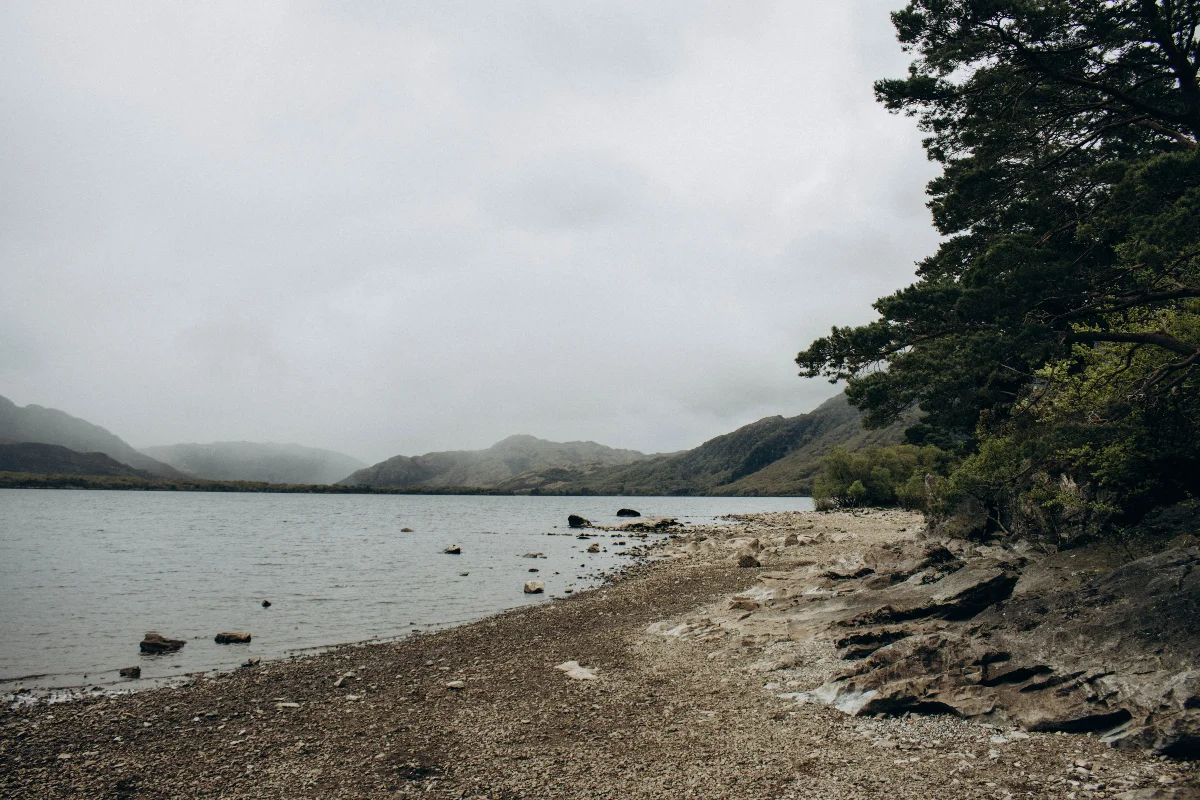
You can create an online memorial without a grave. The page can hold the person's name, life story, photographs and memories from family and friends, with no burial location or map.
This can suit a family after cremation, when ashes are kept privately or scattered, when the burial place is unknown, or when the family simply does not want to publish it. You do not need to choose a substitute location to make the page complete.
Decide what you want the page to hold
Begin with the person, rather than the missing location. What would you want a grandchild, old friend or relative abroad to find here?
A useful first version might include:
- Their name, including the name family and friends used.
- The dates you know, without guessing missing details.
- A short account of their life.
- A few pictures, or a meaningful landscape if the family prefers.
- A request for other people to share a memory.
If writing the biography feels like a large task, start with where they came from, what filled their days and one thing people remember about them. Our guide on what to write on a memorial page offers a structure and original examples.
After cremation
An online memorial does not need to explain what happened to the ashes. The family may want to mention it, but it can remain private.
If you choose to write something, be precise without giving more detail than you intend. These invented examples show different levels of disclosure:
The family held a private farewell by the sea. This page brings together stories from everyone who knew Michael.
Her ashes remain with the family. Friends and relatives are welcome to leave a memory here.
We remember him through the places he loved, especially the coastal walks he returned to every summer.
Agree on the wording with the people directly involved. If an exact place is private, leave out coordinates, identifying photographs and descriptions that reveal it indirectly.
When the burial place is unknown
It is reasonable to make the page while a search is still underway. You can say that the location is not yet known, or leave the subject out until there is something useful to share.
Keep possible locations in a separate research note. A cemetery with a similar name, an unconfirmed family story or a photograph without a date is a lead to check. It should not become a map pin presented as fact.
When you find reliable information, you can decide whether to add it. Record where the information came from so another relative can check it later. The memorial itself does not have to wait for the search to finish.
Use meaningful places honestly
A favourite beach, garden or walking route can belong in the life story even when it has no connection to the person's remains.
Explain what it represents:
This was the harbour where she walked every morning, photographed during a family visit in 2024.
That caption tells a reader why the image is there. Calling it a resting place would mean something different.
If you use a stock landscape or a generated image as a decorative cover, keep it distinct from family evidence. Do not describe it as the person's actual home, favourite view or place of farewell. A photograph of a real family place can be added later if one becomes available.
Give relatives something they can contribute
When there is no shared place to visit, a specific invitation can make the page easier to take part in:
We have made a page for Leila's stories and photographs. If you would like to add something, tell us about a meal, a journey or an ordinary afternoon you remember with her. A few lines are enough.
Some relatives may prefer to send their memory privately for you to read first. Ask before publishing it under their name. Others may want to read what is already there without adding anything.
Our guide on collecting memories from family abroad has more ways to invite contributions without making them feel like homework.
Set up the page without a burial map
On Pure Memorial, choose No physical burial location in the resting-place section. You can write the life story and share the page without adding an address or a map pin.
If there is a known burial place and you want to keep it out of view, use the location visibility setting instead. "No location to show" and "the family does not know the location" are different things; the public text should reflect what you actually know.
Choose who can open the page before sharing it. Unlisted pages are accessible to anyone with the link, including people who receive a forwarded copy. Private pages are for the owner to work on and cannot be opened by relatives through an ordinary shared link. See the guide to memorial visibility for the differences.
A small first version is enough
You can mark a birthday by adding a story, ask everyone to cook a favourite dish, or choose an evening to read the memories together. These are options the family can adapt; the page does not need to prescribe a ritual.
Start with the details you are comfortable sharing. A name, a short story and an invitation to remember can give relatives something useful to return to, wherever they live.